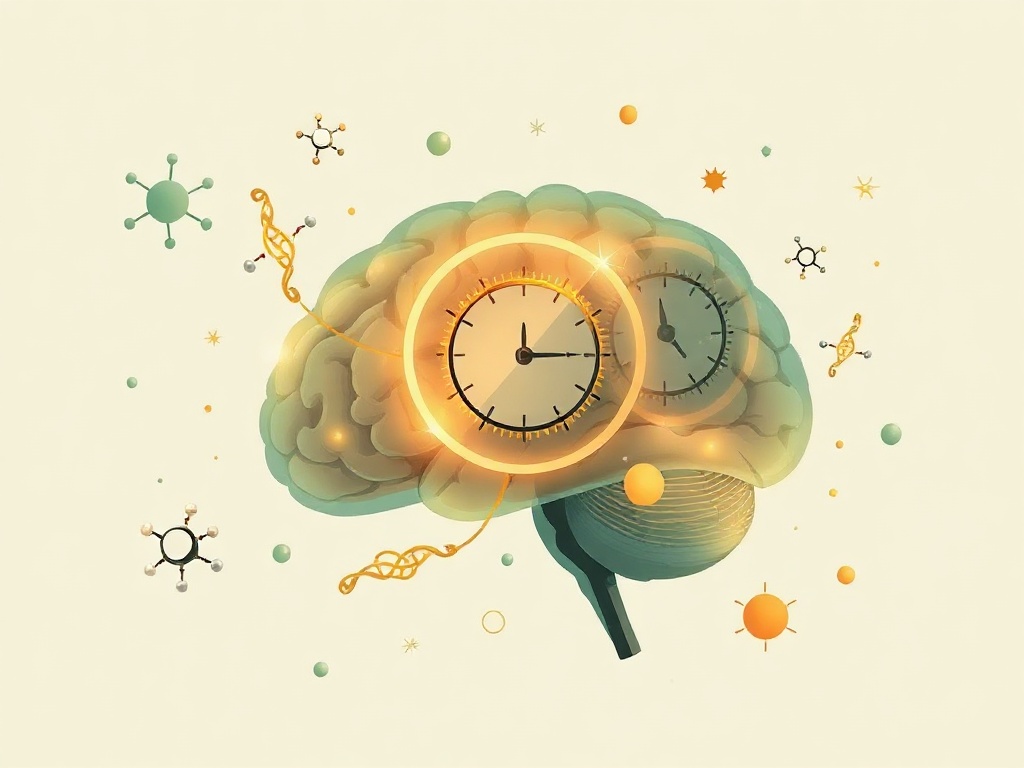
The senolytic combination of dasatinib and quercetin dramatically improved cognitive performance in aging mice by specifically disrupting cholesterol biosynthesis within astrocytes—the brain's support cells. Multi-omics analysis revealed this effect was localized to the hippocampus, where the drug duo reduced lipid accumulation and neuroinflammation. When researchers artificially boosted cholesterol production through genetic manipulation of the Hsd17b7 enzyme, they completely negated the cognitive benefits, proving causation. This represents a paradigm shift in understanding how senolytics work. Rather than simply clearing senescent cells, these drugs appear to fundamentally rewire brain metabolism by targeting lipid pathways in astrocytes. The finding bridges two major aging research areas: cellular senescence and brain cholesterol metabolism. For longevity enthusiasts, this suggests senolytics may offer cognitive protection through mechanisms beyond their established anti-aging effects. However, the D-galactose aging model, while useful, doesn't fully replicate natural human brain aging. The astrocyte-specific targeting also raises questions about optimal dosing and timing for human applications, as systemic senolytic treatment could have broader metabolic consequences throughout the body.
Dasatinib-Quercetin Combo Reverses Brain Aging by Blocking Astrocyte Cholesterol Production
Primary reference: Mechanisms of ageing and development · View source ↗
Informational, non-clinical synthesis informed by published research. Not a clinical guideline or medical advice. May contain errors or editorial interpretation. Consult the original source and your physician.