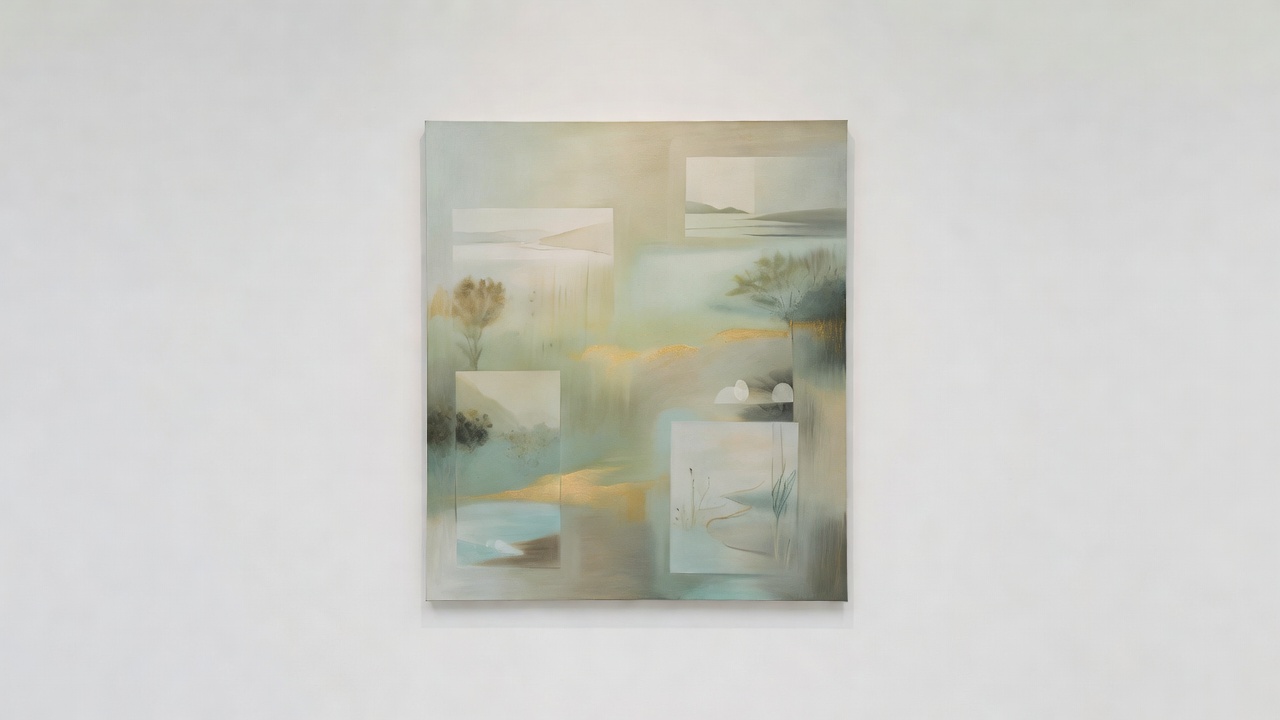
The intersection of memory and emotional wellbeing runs deeper than most people assume. New experimental evidence reveals a specific cognitive mechanism — autobiographical memory retrieval — that meaningfully amplifies how moved a person feels when encountering abstract art, with implications for how museums, therapists, and aging adults might harness art as an emotional resource.
Across three controlled studies, participants rated their emotional responses to abstract paintings under varying conditions. When viewers could spontaneously link a specific personal episode to a painting, their reported sense of being aesthetically moved was significantly higher than when no such memory association arose. Critically, a weaker but still meaningful effect persisted even when memory cuing occurred after initial aesthetic ratings were recorded, suggesting memory doesn't merely bias first impressions but can retroactively enrich emotional engagement. However, when participants were instructed to force a memory association with every painting — removing the spontaneity — the emotional amplification largely disappeared, indicating that volitional memory retrieval cannot simply replicate what happens organically.
This work adds meaningful nuance to established theories of embodied and associative aesthetics. Prior research identified that personal relevance boosts emotional responses to art, but the precise cognitive vehicle — spontaneous episodic memory — was underspecified. The spontaneity requirement is the most practically important finding here: it suggests that prompting viewers to "find a memory" may backfire, whereas creating contemplative, low-pressure viewing environments could allow natural memory surfacing. For older adults, whose autobiographical memory stores are rich but whose opportunities for emotional stimulation may narrow, this has genuine therapeutic relevance — art engagement that invites rather than instructs memory could become a meaningful wellbeing tool. The studies rely on self-report measures and laboratory conditions, so ecological validity in naturalistic gallery settings remains to be established. Overall, this is confirmatory and clarifying work rather than paradigm-shifting, but it meaningfully advances the mechanism-level understanding of art's emotional power.