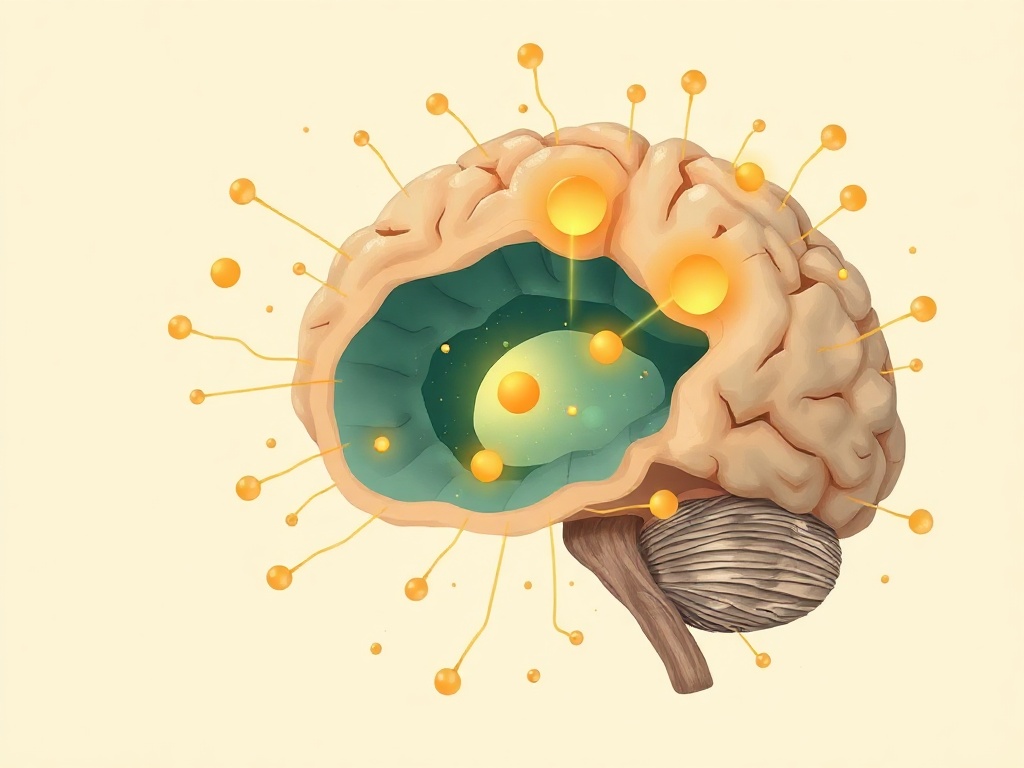
For the millions living with post-traumatic stress disorder, the core problem is not simply remembering something terrible — it is that the brain's machinery for contextualizing and inhibiting threat memory becomes structurally compromised. A framework capable of targeting those specific biological vulnerabilities, rather than blunting fear broadly, could transform treatment outcomes. That is precisely what this synthesis from Molecular Psychiatry attempts to build.
The analysis integrates preclinical animal data with human neuroimaging and clinical trial evidence to argue that PTSD sustains itself through three compounding failures: threat engrams that spread too broadly, weakened hippocampal-prefrontal-amygdala inhibitory control, and extinction memories that remain contextually fragile. Rather than proposing a single intervention, the framework maps three tractable entry points. Extinction learning can be reinforced by deliberately recruiting hippocampal-prefrontal-amygdala pathways and their thalamic relay nodes, with sleep-based memory reactivation strengthening overnight consolidation of safety signals. Separately, voluntary suppression training builds top-down control over intrusive recall. Most distinctively, brief retrieval episodes engineered to generate prediction error can reopen reconsolidation windows, during which maladaptive fear content becomes labile and updatable — a plasticity window the authors argue can be biased toward safety encoding using neuromodulation or phase-timed psychedelic pharmacology.
This is an intellectually ambitious synthesis, and its value lies in forcing a mechanistic alignment between behavioral timing and underlying neurobiology — something that most clinical PTSD protocols have not systematically done. The reconsolidation-window approach in particular builds on a decade of boundary-condition research in rodents and early human trials, though translational reliability remains an open question: reconsolidation windows are narrow, retrieval protocols are not standardized, and individual boundary conditions vary considerably. The psychedelic pharmacology angle is speculative but reflects where the empirical momentum is heading. For clinicians and health-focused adults tracking neuroscience, the takeaway is that PTSD treatment is shifting from anxiety suppression toward precision memory editing — an incremental but directionally significant transition.