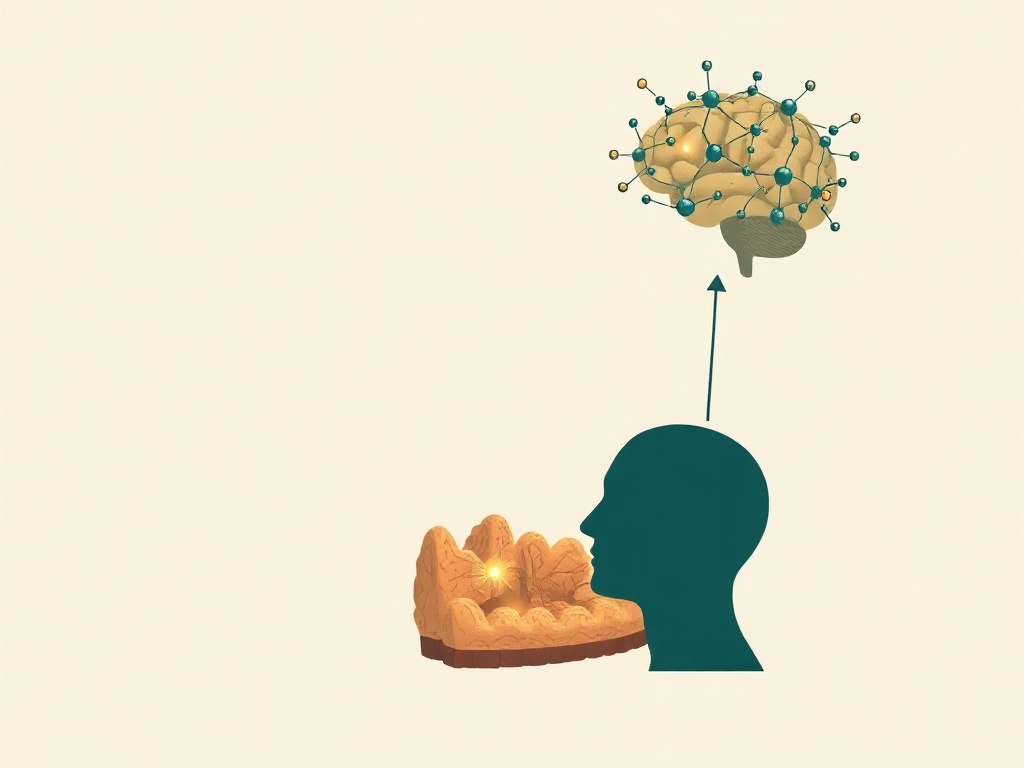
The assumption that muscle loss and brain aging are parallel but independent processes is increasingly untenable. A comprehensive synthesis of the muscle-brain signaling axis reveals that skeletal muscle is not merely a metabolic organ but an active endocrine system whose deterioration may directly accelerate neurocognitive aging — a finding with real implications for how clinicians and researchers approach dementia prevention in older populations.
This narrative review, drawing on 68 primary studies and reviews identified from searches spanning 2000–2026, maps the biochemical circuitry connecting sarcopenia to cognitive decline through six principal myokines and exerkines: irisin/FNDC5, BDNF, IL-6, IGF-1, cathepsin B, and GDF-15. The PGC-1α/FNDC5/BDNF pathway emerges as the most mechanistically supported route by which exercise protects the brain — muscle contraction activates PGC-1α, which upregulates FNDC5 cleavage into circulating irisin, ultimately stimulating hippocampal BDNF synthesis. Simultaneously, chronic low-grade elevation of IL-6 and progressive IGF-1 decline function as bidirectional amplifiers of both muscle wasting and neurodegeneration. Mitochondrial dysfunction, neuromuscular junction instability, inflammaging, and anabolic resistance are identified as the shared pathophysiological substrates underpinning this crosstalk.
The review's significance lies less in individual findings — many of which are incrementally established — than in its integrative framing. The muscle-brain axis model recontextualizes sarcopenia as a proximal neurological risk factor, not merely a musculoskeletal one, suggesting that loss of myokine signaling capacity may precede and potentiate dementia pathology. The proposed preventive strategies — multicomponent resistance and aerobic exercise, leucine-optimized protein intake, and probiotic and lecithin supplementation — are plausible but largely supported by preclinical or small human cohort data. As a narrative rather than systematic review, selection bias and heterogeneity across included studies limit mechanistic certainty. The field urgently needs large, longitudinal human trials measuring myokine trajectories alongside cognitive endpoints to confirm causality rather than correlation.