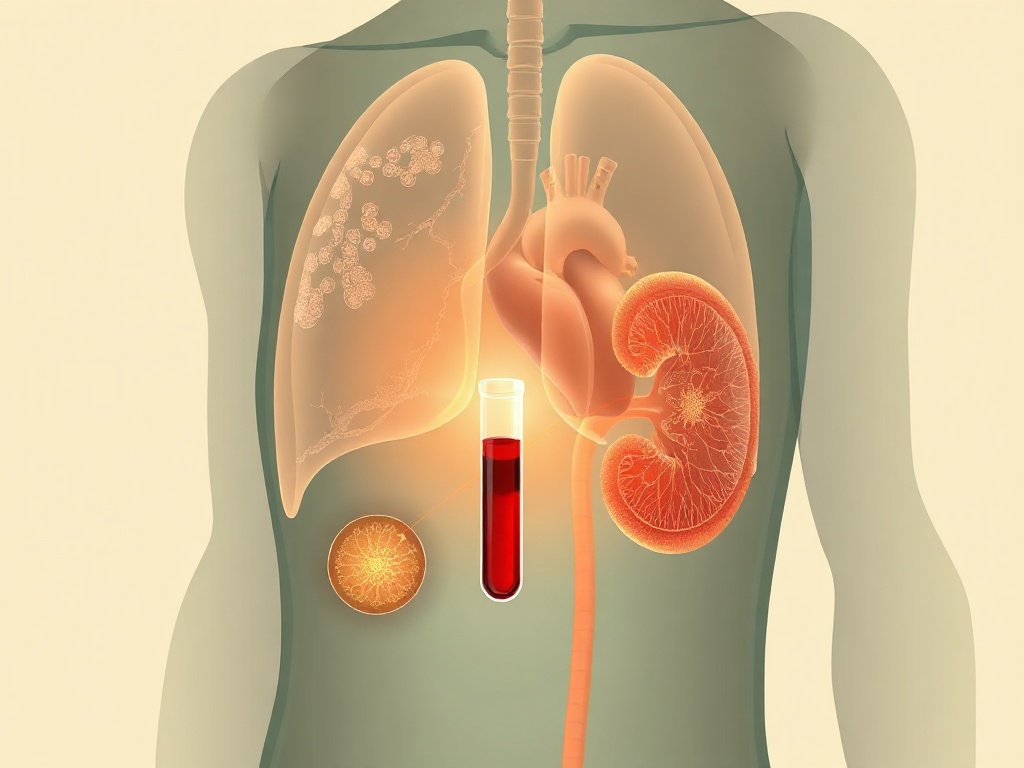
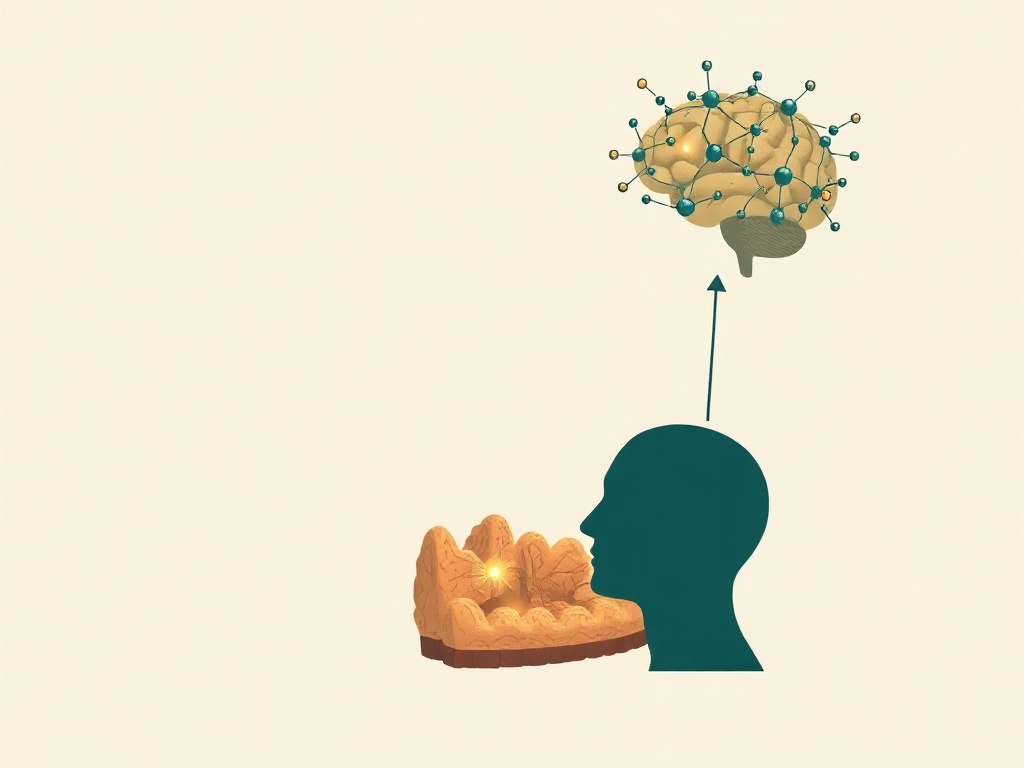
Aged male mice receiving Lactiplantibacillus plantarum AS21 for 6 months showed significant improvement in glucose tolerance — an effect tied to restoration of circulating citrulline via upregulation of microbial biosynthesis genes argF and argI in mucosal communities. Aged males had depleted circulating citrulline and more severe glucose intolerance than females, whose metabolic profiles and microbiota remained comparatively stable. Direct citrulline supplementation independently recapitulated the benefits, improving glucose-stimulated insulin secretion (GSIS) and stimulating GLP-1 release, reinforcing the mechanistic link.
This finding is notable for three reasons. First, it identifies a credible gut-microbiota-to-amino-acid-to-endocrine axis — citrulline elevating GLP-1 — that connects probiotic intervention to pancreatic function, placing it within a mechanistic framework beyond vague "microbiome health" claims. Second, the sex-stratified design is rare and important: most microbiome-metabolism research ignores biological sex as a variable, yet here it is the central moderator of probiotic efficacy. Third, citrulline is already available as an inexpensive supplement with a safe human-use profile, making translational testing feasible.
Critical caveats apply: this is a mouse study using naturally aged animals, and the 6-month intervention timeline is not directly mappable to human aging trajectories. Whether argF/argI upregulation occurs in the human gut microbiome with AS21 remains unknown. Still, as a mechanistic proof-of-concept for sex-specific probiotic dosing strategies in metabolic aging, this is a genuinely paradigm-nudging contribution.